Planning a spring upgrade to your balcony, stairs or garden deck? Glass balustrades keep views open, boost natural light and bring a clean, modern finish to outdoor and indoor spaces. The big choice is usually frameless vs semi-frameless. Both are safe when specified correctly, but they differ in cost, installation and visual impact.
This side-by-side guide explains mounting methods, glass safety, where each style works best, privacy options, maintenance needs and realistic budget considerations. You will also see when a semi-frameless system can achieve a similar look for less, plus what to expect during installation, including Aristo’s fast 1 to 2 day residential turnaround and specialist warm-roof know-how.
What frameless and semi-frameless actually mean
- Frameless: The glass is the star. Panels are set into a base channel or held on discrete spigots without posts between panes. You can add a slim capping rail at the top or keep the glass edge exposed if the system and location allow.
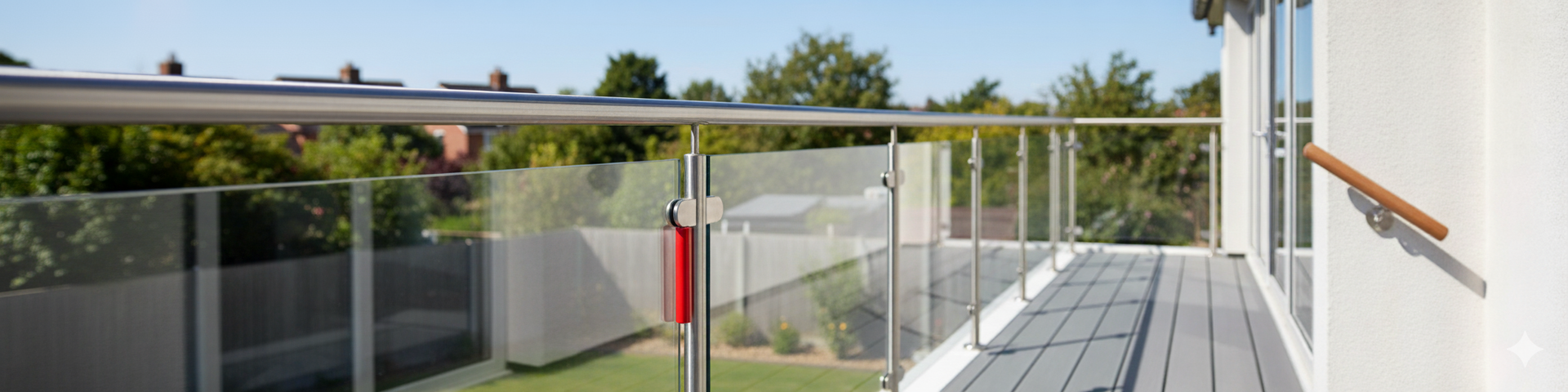
- Semi-frameless: Glass panels sit between stainless steel or powder-coated aluminium posts. A matching handrail can be included for a crisp, finished line, particularly on stairs.
Both approaches use tested systems with precisely engineered fixings. The right choice depends on the view you want, your budget, and regulatory needs for your site.
Mounting methods explained
You will see three common ways to fix glass:
- Channel: A base channel recessed or surface mounted along the edge grips each pane at the bottom. This is the go-to for pure frameless sightlines and excellent wind protection on balconies and terraces.
- Spigots: Short, engineered feet support the glass at intervals. Frameless spigots create a floating look and excellent drainage. In harsher locations, Duplex 2205 spigots can be specified for extra strength and corrosion resistance.
- Posts: For semi-frameless systems, stainless steel or aluminium posts clamp each panel. Posts reduce glass thickness requirements in some designs and help manage loads on longer runs or stairs.
If you are researching spigots or channels for your project, explore options for a balustrade channel in Norfolk or a balustrade spigot in Norfolk to see how each method integrates with different decks and substrates.
Are glass balustrades safe?
Yes. Modern balustrade glass is either toughened (tempered) or toughened laminated. Toughened glass is heat treated for strength and, if broken, crumbles into small granular pieces. Toughened laminated adds a clear interlayer that holds fragments in place, sustaining a barrier while damaged. Aristo designs to current standards, sets out deflection limits and loadings, and meets the 100 mm sphere rule in use, not just on paper. Where appropriate, a continuous handrail is included on stairs for safe guidance.
For coastal or chloride-rich environments, marine-grade 316 stainless steel is standard for fittings. Duplex 2205 is available for spigots and key components where higher strength and corrosion resistance are needed.
Typical use cases and what looks best
- Stairs: Semi-frameless often wins on stairs because a continuous handrail is almost always required, and posts simplify compliance. Frameless can still work with a dedicated handrail and the right tested system.
- Balconies and roof terraces: Frameless in a channel or on spigots gives the cleanest edge and widest view. Aristo also uses specialist techniques to protect warm roofs, preventing membrane punctures while securing loads safely.
- Garden decks and terraces: Both options work well. Semi-frameless posts can reduce cost on long runs while keeping a refined look. Frameless spigots offer minimal visual clutter and easy water runoff around timber decking.
Privacy, tinting and wind
Glass can be clear, tinted or frosted to balance outlook with privacy. Tinted or frosted panels help where neighbours overlook or where you want to screen a hot tub or dining area. Continuous channel-set glass provides better wind reduction; spigots admit more airflow below the glass. Posts have little effect on wind, but they do fractionally interrupt the view.
Maintenance and durability
Glass needs occasional cleaning with mild detergent and soft cloths. Stainless steel benefits from periodic washing, especially near the coast, to minimise tea staining. Powder-coated aluminium posts and rails are low maintenance; wash down seasonally to preserve the finish. Frameless systems have fewer visible components to clean, yet larger single panels show water marks more readily. Semi-frameless introduces posts and brackets but may use slightly smaller panes that are easier to handle and replace.
If you anticipate heavy exposure or want to compare materials, see how aluminium balustrade installations in Norfolk balance low maintenance with cost efficiency.
Cost, installation time and when semi-frameless saves money
Costs vary with span length, fixing method, glass thickness, finishes and site access. As a rule of thumb:
- Frameless channel systems typically sit at the premium end due to heavier glass, structural channels and installation labour. They deliver the most seamless view and best wind protection.
- Frameless spigots may reduce channel costs but still use substantial glass and precision fittings.
- Semi-frameless with stainless steel or aluminium posts is often the most cost-effective way to achieve a modern glass look. Posts can reduce glass thickness requirements and simplify fixings, which controls spend on long runs and stairs.
Most straightforward residential projects are installed in 1 to 2 days. On warm roofs and sensitive substrates, Aristo uses specialist non-penetrative or isolated fixing methods chosen to protect waterproofing and manage loads. These approaches are project specific, so the best next step is a site consultation and design proposal.
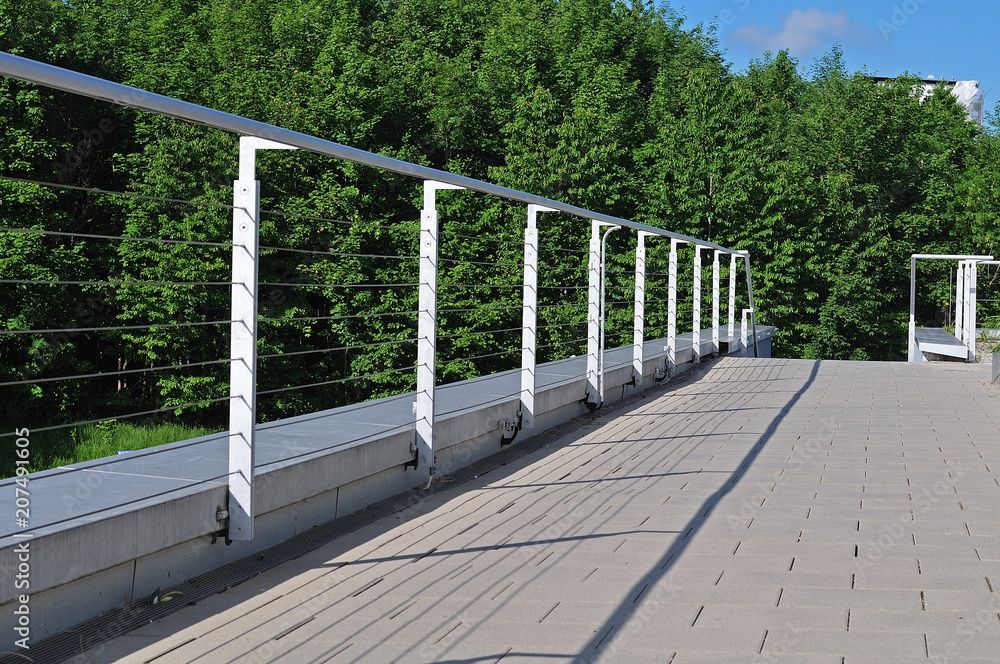
If you are weighing alternatives for budget control, wire rope balustrades can be an excellent option for open views at lower cost. Learn more about wire rope balustrades supply and fit in Norfolk to compare transparency, compliance and maintenance against glass.
Do you need a top rail?
On stairs and ramps, yes, a continuous handrail is typically required. For level edges, some tested frameless systems with laminated glass allow for no top rail, provided calculations, fixings and load provisions meet regulations. Many homeowners still choose a slim capping rail to protect exposed glass edges and provide a comfortable touchpoint.
Pros and cons at a glance
Advantages of frameless:
- Pure, uninterrupted views and light
- Excellent wind protection in channel-set designs
- Minimal climbability, ideal for family terraces
Trade-offs:
- Higher material and installation costs
- Heavier glass, which can increase handling demands
- Repairs may involve larger single panes
Advantages of semi-frameless:
- Similar modern look at a lower price point
- Posts simplify long runs and stairs
- Easier to tune for varying site conditions
Trade-offs:
- Posts slightly interrupt the view
- More components to clean around brackets and caps
Short FAQ
- Are frameless glass balustrades safe? Yes. With toughened or toughened laminated glass, tested fixings and correct design loads, frameless systems are very safe when installed by professionals.
- What are the disadvantages of a glass balustrade? Fingerprints and water marks need periodic cleaning; exposed coastal sites require stainless care; and frameless options can cost more than post-supported systems.
- How much to have a frameless balustrade installed? Pricing depends on span, glass thickness, channel or spigots, finishes and access. Frameless is typically the premium option. A tailored quote is the only accurate route; Aristo provides project-specific designs and costs.
- Do you need a top rail for glass balustrade? Usually on stairs; on level edges it depends on the tested system, glass type and load category. Your designer will confirm what is compliant for your site.
- What is the most cost-effective balustrade? Semi-frameless glass with aluminium or stainless posts is often the sweet spot for looks and budget. Pure aluminium railings or wire rope systems can be more affordable still.
- What is a cheaper alternative to glass balustrade? Wire rope balustrades and aluminium railings are strong, low maintenance and typically cheaper than frameless glass while keeping sightlines relatively open.
How to decide for your home
If your priority is an uninterrupted horizon on a balcony or roof terrace, choose frameless with a base channel and laminated glass. If you want a modern glass look with stronger budget control, semi-frameless with aluminium or stainless posts delivers excellent value, especially on stairs and long garden runs. For even leaner budgets, compare aluminium or wire rope systems.
Aristo Balustrades designs, manufactures and installs across Cambridgeshire, Suffolk, Essex, Norfolk, Hertfordshire and Bedfordshire, with most domestic projects completed in 1 to 2 days. For site-led advice, warm-roof solutions and a clear, compliant specification, get in touch for a design consultation. If you are planning an Essex glass balustrade or a glass balustrade upgrade in Norfolk, our team can help you choose the right fixing method, glass type and finish for lasting results.
Summary
Frameless glass maximises views and wind protection with a premium, minimalist finish. Semi-frameless keeps the look while trimming cost and simplifying stairs and long runs. Both are safe when correctly specified with toughened or toughened laminated glass. Consider your priority mix of view, privacy, wind, maintenance and budget, then select the fixing method that best suits your site. Ready to compare options for your terrace or balcony this spring? Speak with Aristo for a tailored design, accurate pricing and a smooth 1 to 2 day installation where feasible.