By colin
•
February 10, 2026
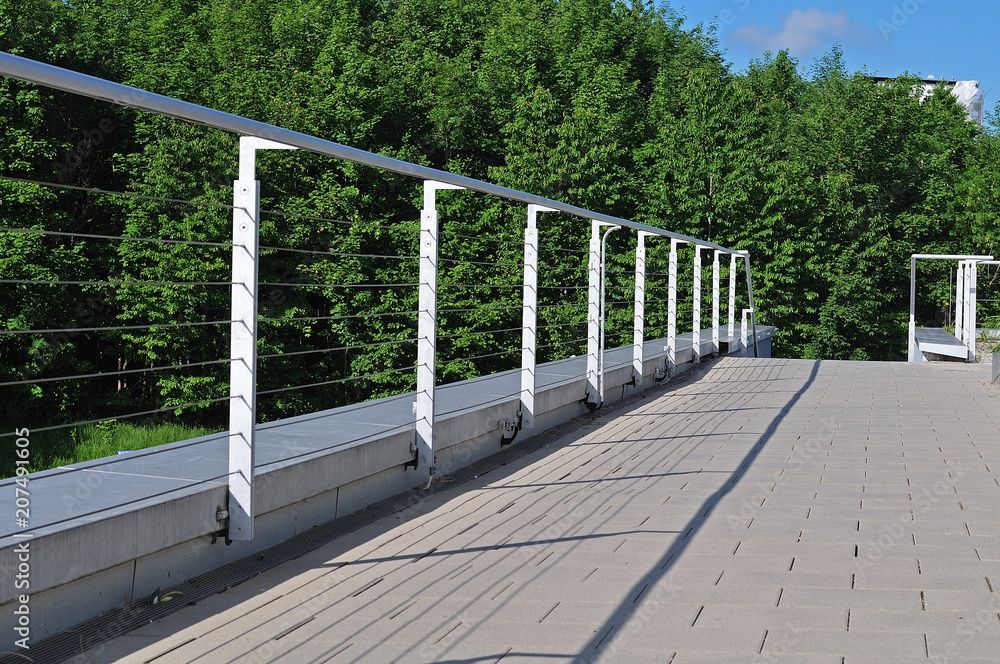
Spring is prime time for decking and balcony upgrades, and wire rope balustrades are often at the top of the shortlist. They look clean and contemporary, feel light, and can be an excellent value when designed and installed correctly. Before you commit, it pays to understand how they comply with UK rules, what spans are realistic, and the common issues to avoid. This practical guide sets out what you need to know, where wire rope shines, and when alternatives like glass or aluminium railings may suit you better. At Aristo Balustrades, we design and install systems across Cambridgeshire, Suffolk, Essex, Norfolk, Hertfordshire and Bedfordshire. Our approach is regulation-led and detail-focused, with marine-grade components and correct terminations to ensure long service life. Do wire balustrades meet UK building regulations? Yes, they can, provided the design addresses three essentials: the 100 mm sphere rule, load and deflection, and safe handrail provision. 100 mm sphere rule: Any opening up to 1100 mm high must not allow a 100 mm ball to pass through. With wire rope, this means vertical spacing and tension must keep gaps below 100 mm not just on day one, but in service. Deflection under load is the critical check. Load and deflection: Guarding must resist the required horizontal line loads and point loads for its location and use. Posts, fixings and wire tension are specified so the system stays within deflection limits. We detail the spacings and provide calculations where building control is involved. Handrails and climbability: On stairs and ramps, a continuous handrail is required. Where children use the space, horizontal elements that invite climbing should be avoided. Vertical wire layouts can help reduce climbability while meeting the 100 mm rule. A compliant design is not just about wire count and spacing on paper. It is about how the system behaves when pushed, leaned on, or climbed. That is where correct post sizing, cable diameter, tensioning hardware and terminations matter. How far can a wire balustrade span? Uninterrupted cable runs are tempting visually, but long runs make it harder to maintain tension and control deflection. In domestic projects, practical run lengths typically fall in the 5 to 7 metre range before you need an intermediate tension point or corner post. Shorter runs are easier to keep taut and compliant. Exact limits depend on cable diameter, construction (for example, 7x7 vs 7x19), post stiffness, and wire spacing. On larger terraces or decks, plan for intermediate posts or split the run into sections so each length can be correctly tensioned without overloading end posts. How far apart should posts be for wire balustrade? For most residential wire systems, a post spacing of 1.2 to 1.5 metres is common. Tighter spacing increases rigidity and reduces cable deflection, which helps with the 100 mm rule. Wider spacing can be possible with larger posts and cables, but tends to push up costs and tension loads. Corners and terminations should always be full-height posts with suitable anchorage to take cable loads without twisting. What size wire for balustrade? Marine-grade stainless wire in the 4 mm to 6 mm range suits most domestic guarding. Thicker cable reduces sag and feels more substantial, but adds load to posts and fittings and can be harder to tension neatly. A well-specified 4 mm or 5 mm 316 stainless steel cable with quality swaged or mechanical terminals usually balances appearance, performance and cost for decking and balcony edges. Where exposure is severe or spans are ambitious, we may recommend heavier cable or upgraded posts and fittings. Horizontal vs vertical runs Both can be compliant when designed carefully, but context matters. Horizontal cables: Often chosen for aesthetics on decks and terraces. Where children are present, horizontal lines may encourage climbing, so consider vertical layouts or switch to glass or closely spaced vertical rails. If you choose horizontal, minimise toe holds and keep wire spacing conservative. Vertical cables: Reduce climbability and can simplify compliance with the 100 mm rule. They need robust top and bottom anchorage to control tension across multiple wires. On stairs, a continuous handrail is required. Wires are an infill, not a handrail substitute. Indoor vs outdoor suitability Wire rope balustrades are suitable indoors and outdoors when materials are specified correctly. For exterior and coastal use we recommend 316 marine-grade stainless steel wires, posts and fittings, or Duplex 2205 for spigots and critical components in aggressive environments. Finishing and ongoing cleaning are important to limit tea staining and crevice corrosion, especially at terminations and where water can sit. If you are weighing outdoor options and want the clearest outlook, a frameless glass railing can deliver uninterrupted views. Explore our approach to a frameless glass railing in Norfolk for inspiration and system options. Common problems with wire balustrades (and how to avoid them) Slack or drooping cables: Usually caused by long runs, insufficient tension, or undersized posts. Keep runs modest, use quality tensioners, and specify posts that will not flex excessively. Corrosion at fittings: Crevice corrosion and tea staining often start at swages, threads and set screws. Use marine-grade 316 stainless, consider Duplex components for severe sites, avoid dissimilar metals that trap moisture, and specify drain paths so water does not sit in sockets. Non-compliant gaps under load: Cables can deflect beyond 100 mm if spacing is too wide or tension relaxes with temperature changes. Design conservatively and schedule periodic retensioning as part of maintenance. Loose terminations: Poorly executed swages or budget hardware can slip over time. We use proven marine-grade components and correct terminations for dependable grip. Child-safety concerns: Horizontal runs can aid climbing. Opt for vertical wires or glass where children regularly use the space. If your project leans toward low maintenance with maximum transparency, a glass system may be the smarter choice. See how we deliver an Essex glass balustrade that balances safety with clear views. Where wire rope is the best value choice Wire rope sings in a few scenarios: Large decks where airflow and a light visual touch are priorities. Rural or industrial-inspired designs that suit a steel and cable aesthetic. Long boundaries where solid infills would dominate the architecture. Projects where budget favours a durable, open infill over full-height glass. When you want the cleanest panorama and wind protection, a glass system usually wins. When you want open, robust and cost-efficient guarding, wire rope often offers the best balance. Design and installation notes from Aristo Our wire rope balustrades use 316 marine-grade wire and fittings as standard, with Duplex 2205 available for enhanced corrosion resistance where needed. We size posts, set out wire spacings, and detail fixings so the 100 mm rule is achieved in use, not just at sign-off. Corners and end posts are engineered to carry cumulative cable loads, and we allow for thermal movement and service retensioning. For homeowners planning a wire rope balustrade in Norfolk or nearby counties, we provide end-to-end support, from concept to installation. If you are comparing infills, you can also explore stainless steel wire balustrades in Norfolk on our site for a deeper look at styles and finishes. Quick FAQ Do wire balustrades meet building regulations? Yes, when designed to satisfy the 100 mm sphere rule, load and deflection limits, and appropriate handrail requirements. How far can a wire balustrade span? Typically 5 to 7 metres per tensioned section. Longer runs should be split with intermediate posts or corners. How far apart should posts be? Around 1.2 to 1.5 metres works well for most domestic systems; closer spacing improves stiffness and reduces cable sag. What size wire is best? 4 mm to 6 mm 316 stainless is common. The right choice depends on spans, post stiffness and desired look. What are the usual problems? Slack cables, corrosion at fittings, deflection that breaches the 100 mm rule, and climbability on horizontal runs. Good design and marine-grade components prevent most issues. Can you use horizontal cable layouts? Yes, but consider child-safety. Vertical cables or glass may be better where children are present. Are wire balustrades suitable outdoors? Yes, with marine-grade 316 stainless components and correct finishing. Duplex 2205 upgrades are advised in harsh coastal or chloride-rich sites. Summary and next steps Wire rope balustrades can be compliant, durable and great looking when engineered around the 100 mm sphere rule, controlled deflection, and robust tensioning. Keep runs reasonable, choose 316 marine-grade components, and pay close attention to post spacing and terminations. For family spaces or high exposure, consider vertical layouts or switch to glass for easier compliance and weather protection. If you are planning a deck or balcony this spring and want project-specific advice, get in touch with Aristo Balustrades. We can compare wire rope with glass or aluminium options and guide you to the best solution for your space. If you are ready to explore services for a wire rope balustrade kit in Norfolk, our team is here to help with design, supply and installation.